This article was translated automatically from Italian.
FROM SMART WORKING TO HOLIDAY WORKING: New trends for short lets. Short rent is a lever for recovery
The historical moment is particularly delicate,
but the short let segment could represent, especially with the arrival of the good weather, a lever for restarting. The landscape is in fact changing along various lines created by the pandemic situation. Let's take stock of the situation.
What are the most interesting trends to focus on at the moment?
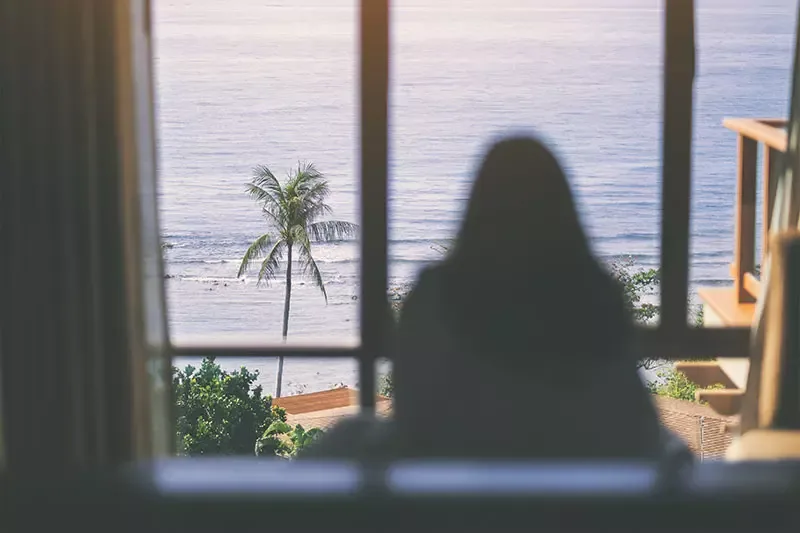
One example, entirely northern European, is camper van sharing, which works very much like second homes: here too we are talking about assets used a few weeks a year that can be shared for the rest of the time. In southern Europe, by contrast, the phenomenon of holiday working is taking shape, based on second homes. With the warm months approaching, in fact, there is a growing trend towards longer bookings, of several weeks or months, in holiday destinations, so that people can work while staying in a pleasant, if not touristy, place, since there is still uncertainty about when people will return to the office. With the arrival of the warm weather, doing smart working from your own home or from a more pleasant place can amount to the same thing. This, combined with the fact that homes are available at lower prices, since holidays remain a question mark, is driving this type of demand.
How is demand for short lets developing at the start of 2021?
Last year this trend was more improvised, as people started travelling again almost suddenly from the beginning of July: today there is more planning. Moreover, last year those booking were mainly older people and in any case high earners, whereas this year bookings are coming from all categories. In particular, young people (aged 18-24) are booking first, showing their desire to travel again, and in any case protected by the possibility of free cancellation. Older people have slowed down: according to 2020 data, the over-65s had increased their visits by 80%, whereas today they are more wait-and-see, perhaps waiting for the vaccination campaign aimed at them to be completed. The under-35s, who were left on the sidelines last year, are instead moving more.
Could holiday working be a way to create tourism 12 months a year?
We are already seeing a lot of de-seasonalisation, with residences in Tuscany, Puglia, Sicily, Sardinia and Lampedusa taking bookings even in the spring months. But we will only be able to talk about genuine 12-month tourism when the wariness of northern European countries is overcome, as they are more used to off-season tourism but prefer other locations to Italy. Another important step would be for older people to become independent of childcare duties. Let me explain. In northern Europe mothers and fathers both work and there is a professional childcare network, supported by local councils and family finances, which does not exist here to the same extent, especially when women do not work. If a scenario like this came about in Italy, older people would no longer have to act as a safety net for childcare and could enjoy off-season holidays more, as already happens in these countries.
What are the lines of growth for the short let segment in the near future?
We note a contraction in the product because many apartments traditionally let short-term have gone back to "four plus four" rental contracts, which, however, as always, present problems of non-payment, further aggravated by the pandemic situation. In my view, though, the trend will be reversible once reopenings actually get under way, after a transition period. For example, as regards "city" lets, I imagine what might happen on the occasion of the Salone del Mobile in Milan: if some of the apartments have been converted to long lets, finding a short let will necessarily mean going even a long way outside the city.
And what about purely tourist lets?
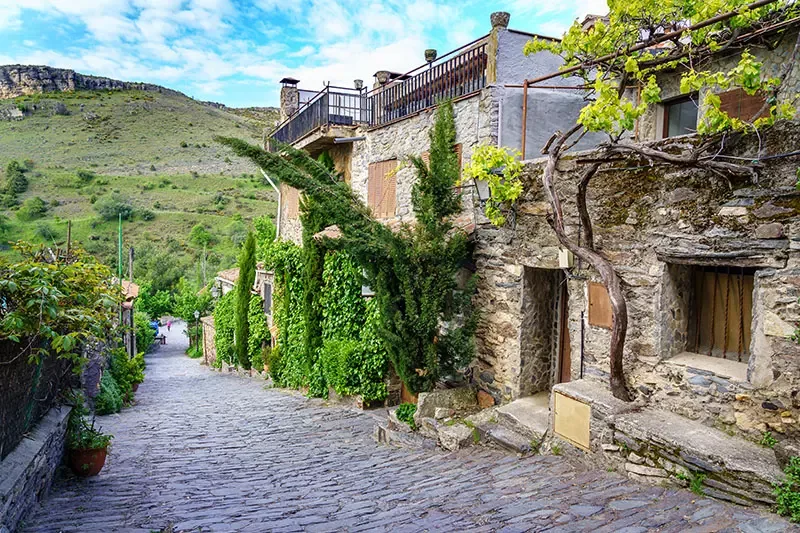
As for tourist lets, demand is as strong as ever. Today there are many requests for even secondary areas, villages or isolated places, unknown until yesterday but which, if renovations were encouraged, could be excellent investments for both Italians and foreigners. This is, after all, the rationale behind the €1 homes initiative, a real cry of distress against depopulation and the abandonment of properties. We hope, however, that in addition to this type of initiative there would be a more structured investment policy to relaunch these places.
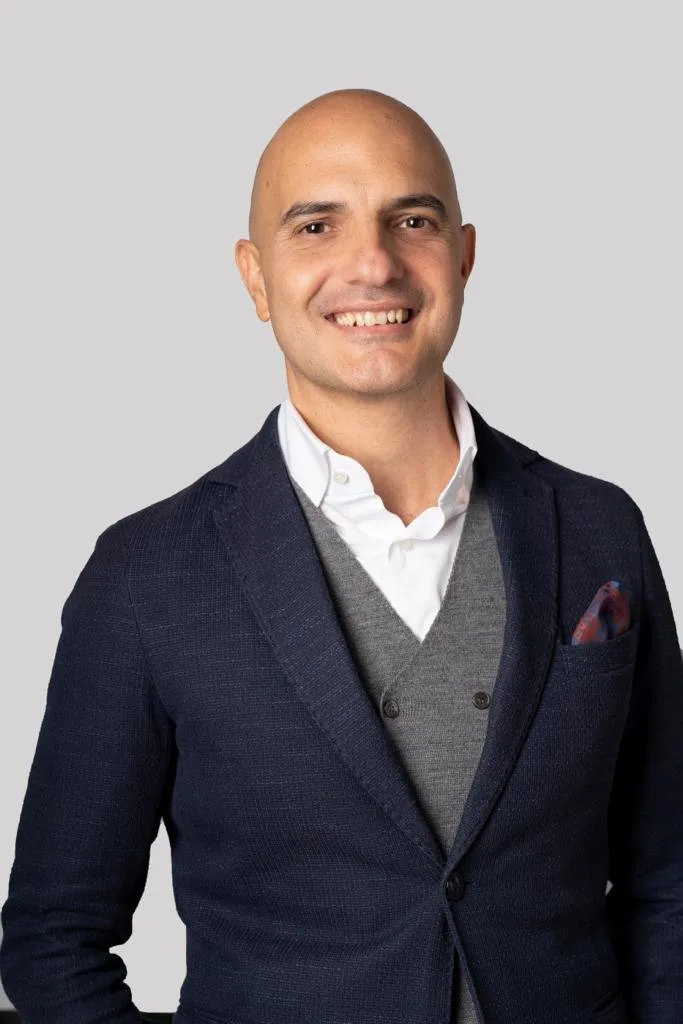
Alessandro Langella
Founder of Pavé, Milan
He knows Milan through years of hands-on market experience, properties visited and neighbourhoods watched as they changed.