This article was translated automatically from Italian.
A Bocconi study has mapped safety in Milano and the results change the debate
A Bocconi study has mapped safety in Milano and the results change the debate
Milano between numbers and perceptions: the data reveal the city we do not see
Milano is a city that moves faster than the judgements made about it. News reports make a lot of noise, while numbers speak softly, but more precisely. A study just published by Bocconi allows us to look beneath the surface, radically changing the perception of urban safety in the Lombard regional capital.
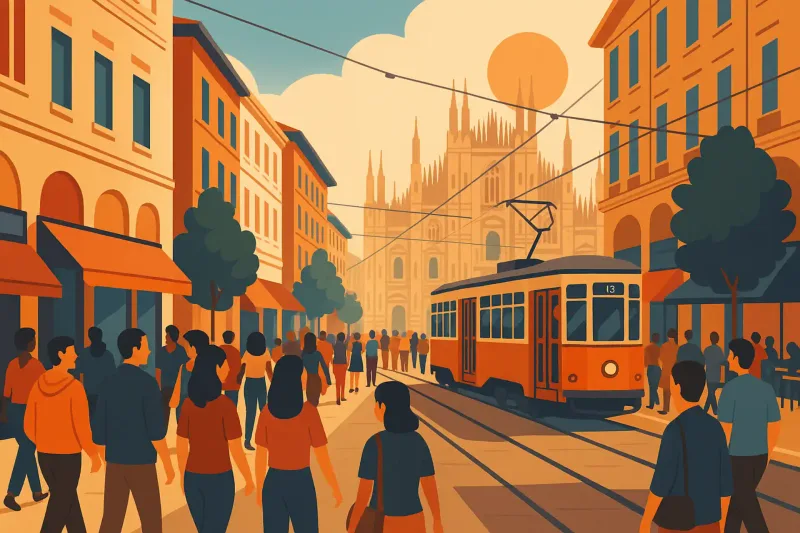
Milano, between research and urban safety
News reports hit hard, but they cannot be the only yardstick by which to judge the city. This is where a research project comes in, one that tries to look beyond the single episode.
A project that puts data at the centre
In 2024, Università Bocconi and the Prefettura di Milano signed an agreement to study urban liveability using georeferenced data. Not a simple analysis of crimes, but a multidimensional reading of the city: quality of public spaces, lighting, the presence of shops and bars, pedestrian traffic, transport infrastructure, social cohesion. The result: Milano is not a mosaic of good and bad neighbourhoods, but a much more subtle system, which changes block by block.
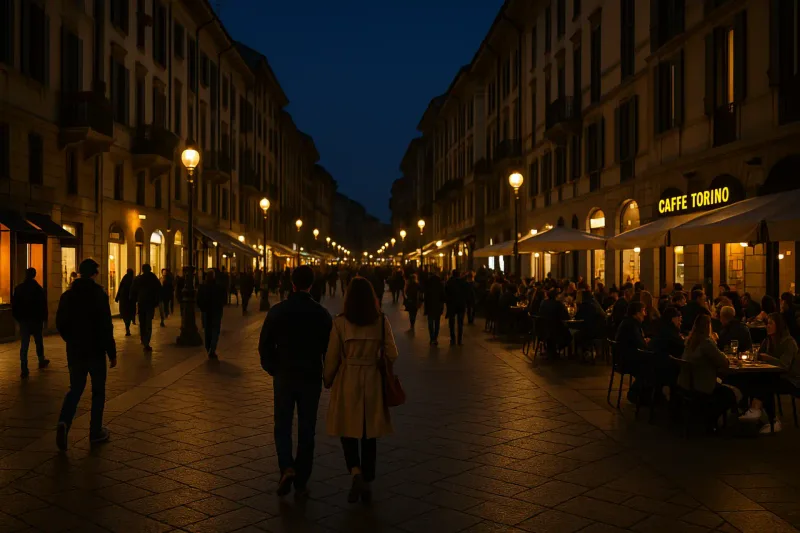
Safety is not just about the police
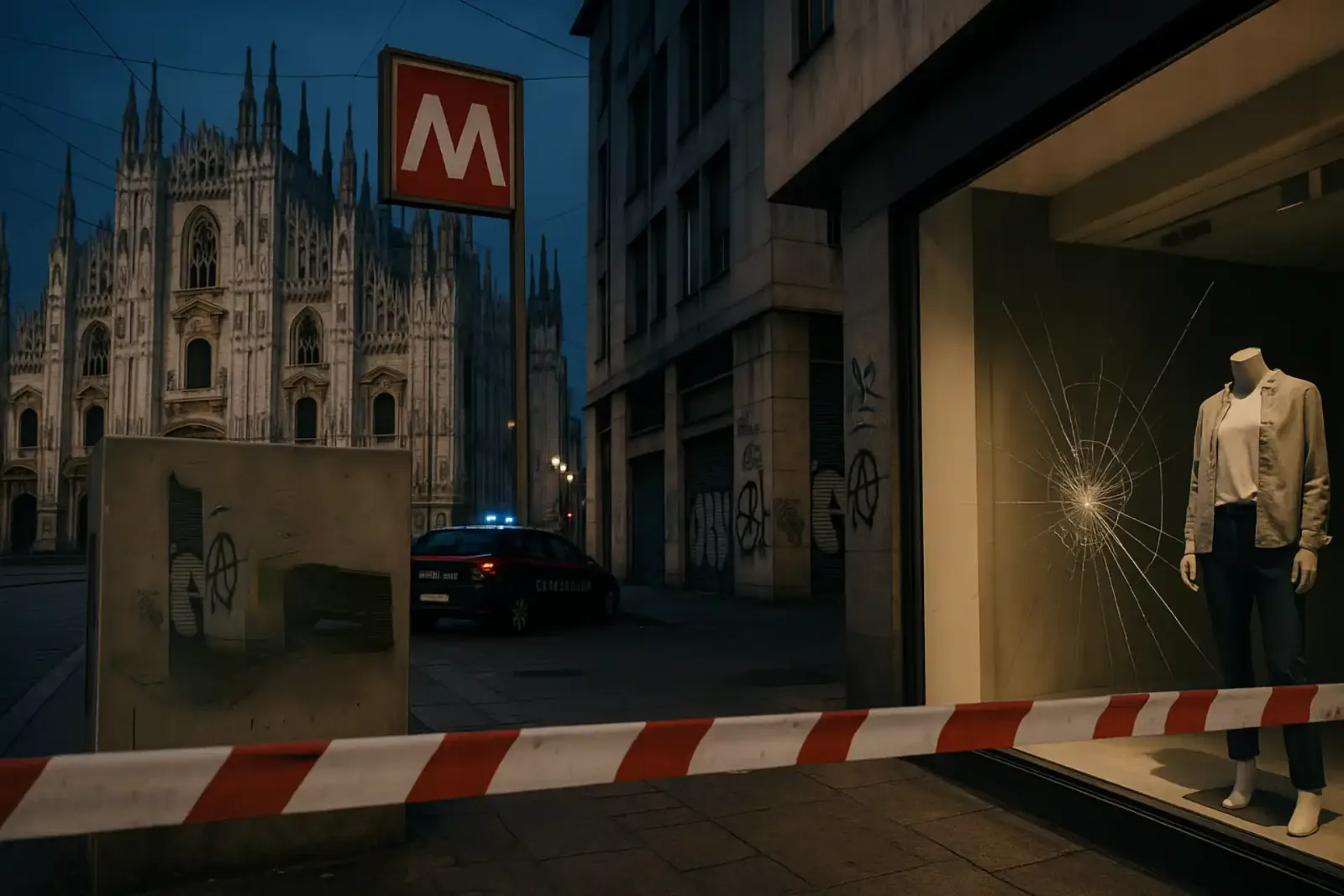
According to Bocconi, urban safety is a balance between social, economic and urban design factors. The more a street is lived in, lit and well kept, the more people walk along it feeling at ease. The more an area shows lowered shutters and dark corners, the more the risk of petty crime and the perception of insecurity grow. In other words, the first real camera is urban life itself.
Looking at the numbers in the international context
To understand how safe Milano is, we need an indicator that does not measure only the most serious crimes. One of the most widely used for comparisons is the global risk index, a summary value that combines several elements: crimes against the person, crimes against property, official reports, as well as citizens' perception of the level of safety. It is a model that tries to represent people's concrete experience of urban space.
With this index, the picture is clear. Milano sits in an intermediate band among the large Western metropolises, doing better than London or Paris, slightly more problematic than Berlin or Madrid, and enormously more peaceful than settings where violence is a structural issue. Violent acts remain few, while the main problems concern pickpocketing and thefts in the busiest places, a phenomenon typical of very dynamic cities. Data and research therefore tell us that the problem is not a crime emergency, but the quality of spaces and the continuity of urban life.
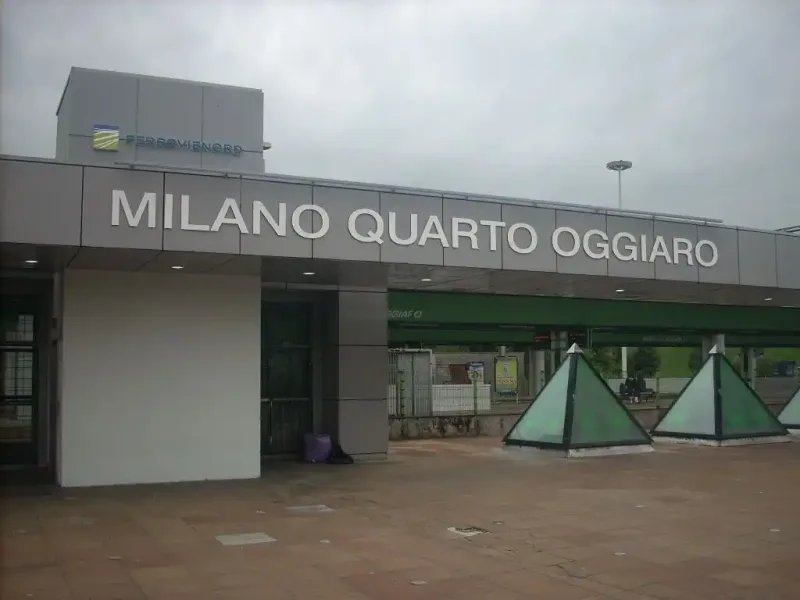
The twenty-four-hour cycle
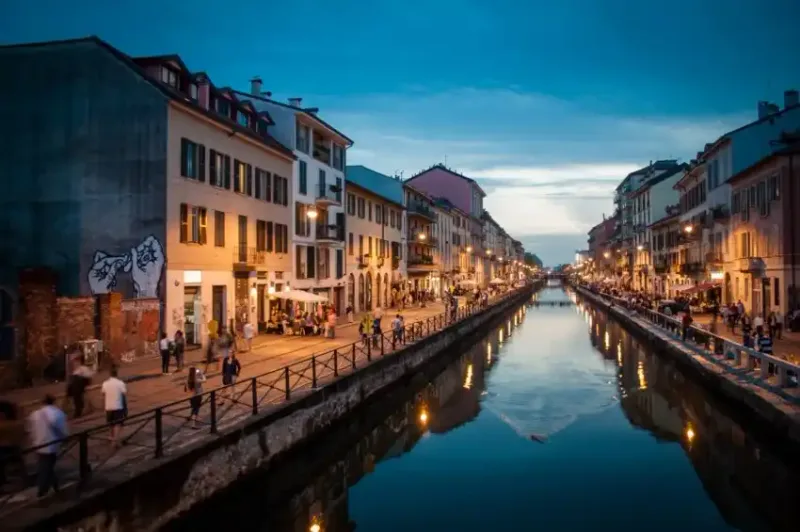
Some areas of the city are among the safest and most liveable during the day, but have problems linked to nightlife and noise in the late hours. Navigli, Isola and Porta Genova are excellent examples of places that change face depending on the time. Liveability is not a static condition, but a balance that is updated over time, like a dynamic simulation in which social and spatial variables interact continuously.
When design works, CityLife as a virtuous case
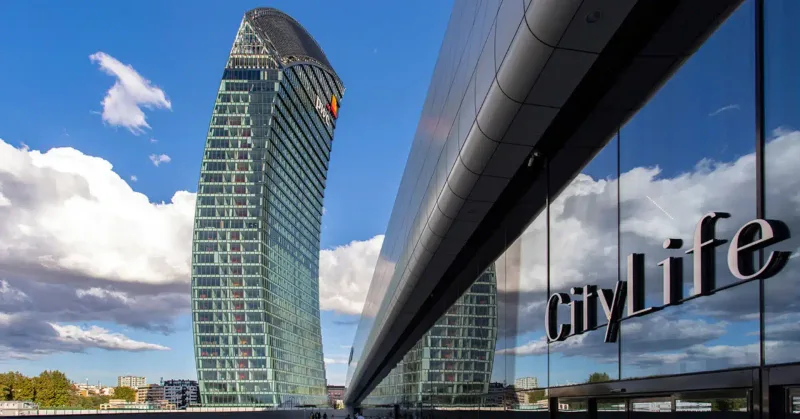
If some places suffer from night-time problems or issues linked to passing crowds, others show how much urban quality can improve safety. CityLife is one of them. The district born from the regeneration of the former Fiera area shows how contemporary architecture, extensive green spaces, active shops and a well-designed pedestrian network can create an environment where living is perceived as pleasant and at the same time calm. Here the data confirm what residents say: liveability and safety are very high. There is a constant social presence, there are no blind spots, and the maintenance of public space helps keep the area welcoming.
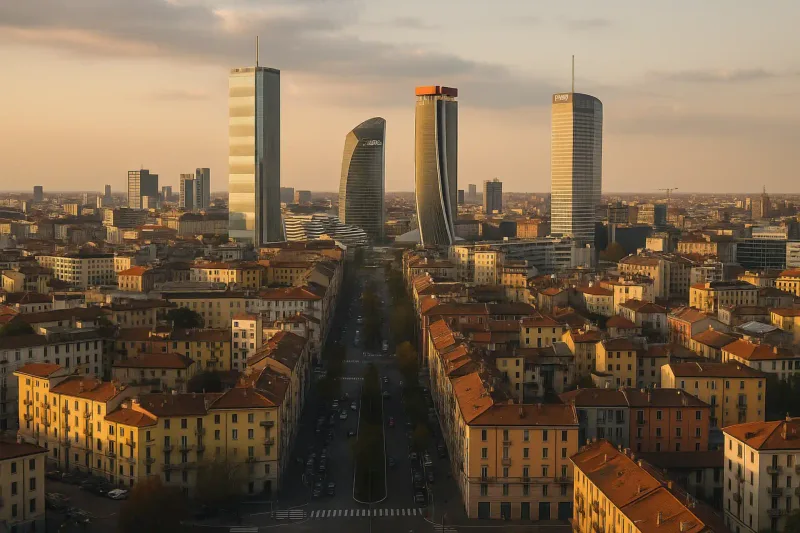
Where the problems are concentrated
Stations and major mobility axes, such as Centrale or Rogoredo, bring with them flows of people passing through that require integrated interventions. Patrolling is not enough: we need to design spaces that invite people to stay, not just to pass through.
More surgical interventions, fewer emergency ones
The heart of the study lies in its ability to make hidden patterns visible. The Prefettura can use these maps to allocate resources where they are really needed, prevent decay by identifying the most fragile streets, plan targeted lighting and video surveillance, and encourage economic activity where the risk is growing. A safety policy that reasons scientifically, not through slogans.
Milano, a city with enormous potential
With data and analysis in hand, we discover that Milano is on average safe and highly liveable, but fragile at certain sensitive points and at certain times of day. The answer cannot be widespread fear. The answer is to design the city better for people. The future of urban safety depends on the quality of spaces, the vitality of neighbourhoods, and the ability to look at data without being guided only by emotion.

In Summary
Milano can become a European example if it continues to bring together research, public administration and local communities. Safety is not a military objective, it is an intelligent form of urban planning.

Alessandro Langella
Founder of Pavé, Milan
He knows Milan through years of hands-on market experience, properties visited and neighbourhoods watched as they changed.